12 Grapes or 12 Sips? Exploring the World’s Most Fascinating New Year’s Traditions.
We hope your 2026 started with a perfect pour. While the midnight chimes have passed, the traditions of hope and renewal are just beginning.
New Year’s Eve is one of the few globally shared holidays, yet the way it is celebrated varies wildly.
While the common thread is always hope and renewal, the methods for ensuring good luck range from quiet spiritual reflection to raucous street parties.
Here is a look at how different cultures ring in the New Year, categorised by the “goal” of the tradition.
1. Eating for Prosperity
Many cultures consume specific foods to “swallow” good luck for the year ahead.
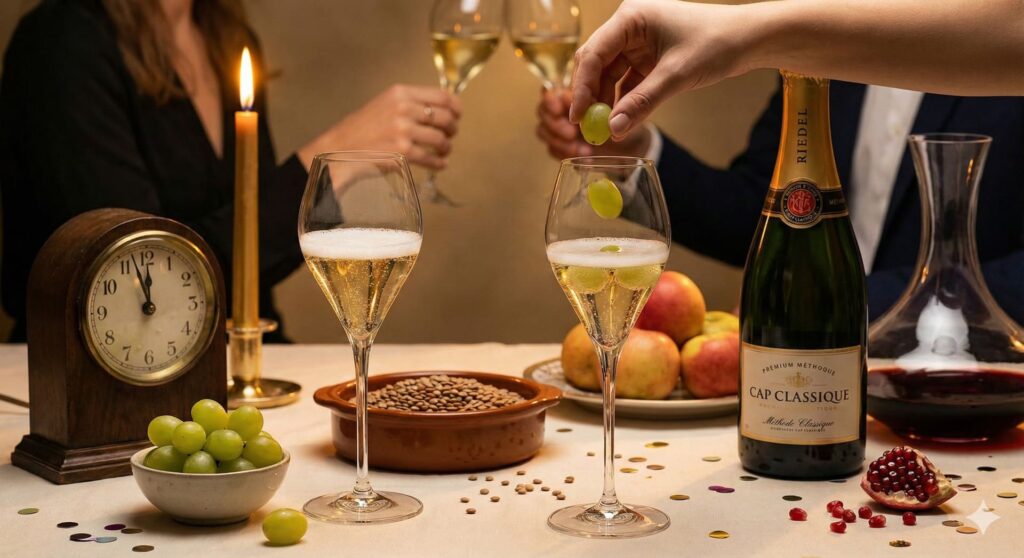
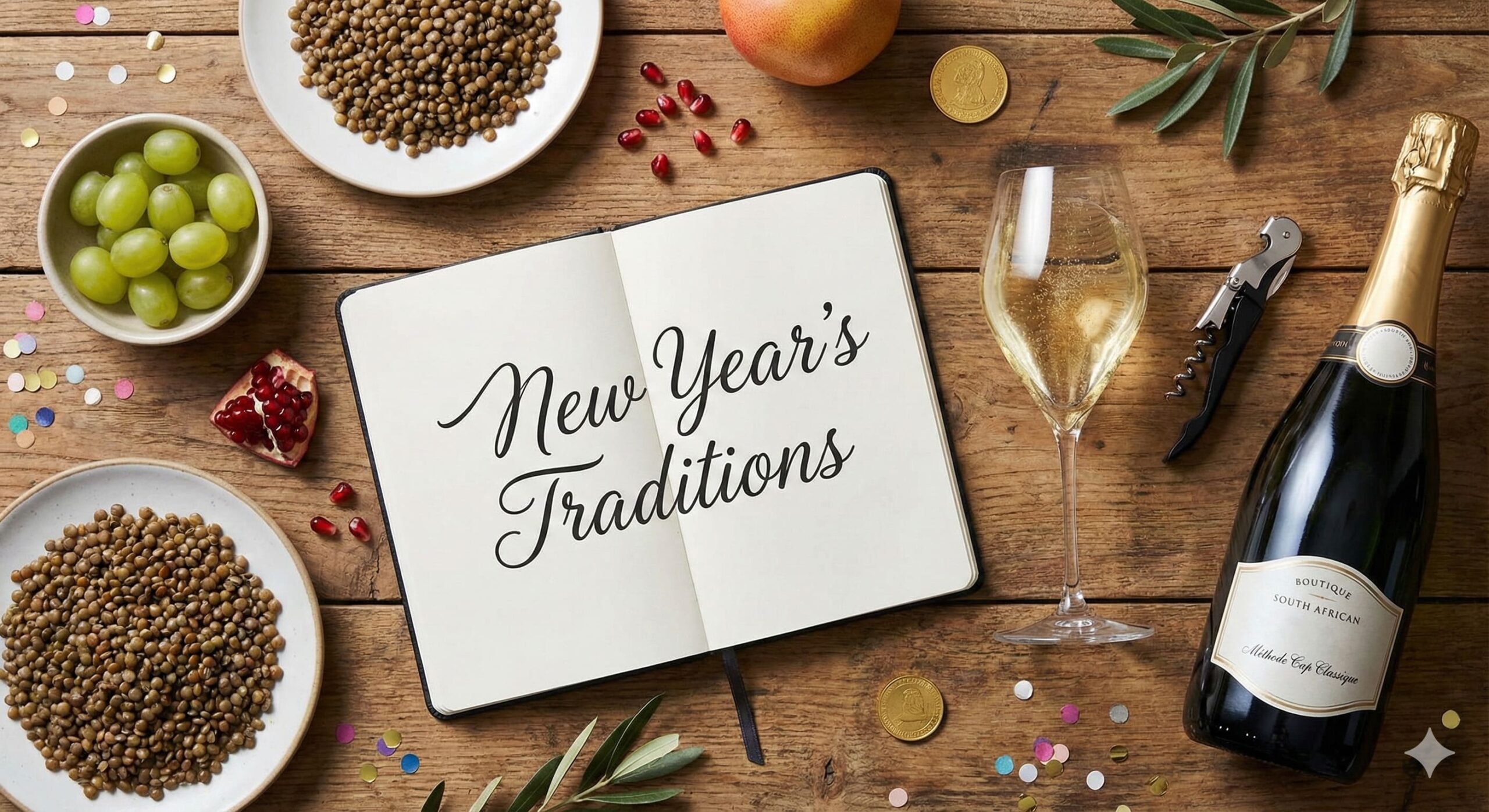
Spain (Las Doce Uvas): As the clock strikes midnight, Spaniards eat 12 grapes, one for each chime of the clock. Each grape represents good luck for one month of the coming year. If you finish them all in time, you are promised a lucky year.
Italy (Lentils): Italians often eat lentils (Cotechino con Lenticchie) just after midnight. The small, round shape of the lentils is thought to resemble coins, symbolising wealth and prosperity.
Japan (Toshikoshi Soba): People eat long buckwheat noodles. The length of the noodle symbolises a long life, and the act of cutting the noodle while eating it represents breaking off the bad luck of the previous year.
The Netherlands (Oliebollen): The Dutch eat deep-fried dough balls covered in powdered sugar. An old folktale suggests that the fat in the doughnut would cause the sword of an evil spirit to slide off you, keeping you safe.
Philippines (Round Foods): Influenced by Chinese tradition, Filipinos believe round shapes represent coins. It is customary to display 12 round fruits (like oranges or melons) to attract wealth.
2. Cleansing and Renewal
These traditions focus on washing away the past to start with a clean slate.
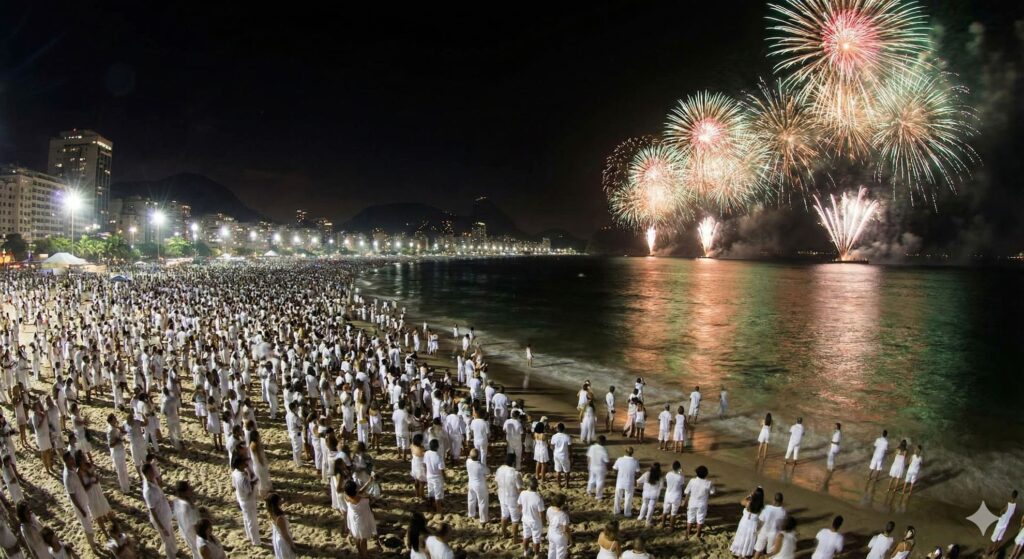
Brazil (Wearing White): On New Year’s Eve, millions of Brazilians wear white clothing to symbolise peace and spiritual purification. Many also head to the beach to jump over seven waves, making a wish for each one, a tribute to Yemanja, the goddess of the sea.
Thailand (Songkran): Celebrated in April (Buddhist New Year), this is the world’s largest water fight. People splash water on each other to wash away bad luck and sins, creating a massive, city-wide street party.
Ecuador & Panama (Burning Effigies): People build scarecrow-like dolls representing politicians or personal problems from the past year. At midnight, they burn them in the streets to destroy the “old year” (año viejo) and its bad energy.
Japan (Osouji): In the weeks leading up to the New Year, the Japanese engage in a massive “deep clean” of their homes and offices to purify the space for the New Year gods.
3. Welcoming Good Luck
Scotland (Hogmanay & First-Footing): The Scots believe that the first person to cross your threshold after midnight determines your luck. The ideal guest is a tall, dark-haired male bearing gifts like coal, shortbread, or whisky.
Denmark (Smashing Plates): If you wake up to a pile of broken crockery at your front door, it’s a good sign! Danes traditionally smash plates against the doors of their friends and neighbours to show affection. The bigger the pile, the more friends you have.
Colombia (The Empty Suitcase): If you want to travel more in the coming year, the Colombian tradition is to take an empty suitcase and run around the block with it at midnight.
Greece (Hanging Onions): An onion (specifically the sea squill bulb) is hung on the front door. This bulb can sprout even when uprooted, symbolising fertility and rebirth.
4. Different Dates, Different Calendars
It is also worth noting that for billions of people, the “New Year” doesn’t happen on January 1st:
Lunar New Year (China, Vietnam, Korea): Usually in Jan/Feb, involving red envelopes for luck and lion dances to scare away evil spirits.
Rosh Hashanah (Jewish New Year): Usually in Sept/Oct, marked by dipping apples in honey to symbolise the hope for a “sweet” new year.
Nowruz (Persian New Year): Celebrated on the Spring Equinox in March, where families set a table with seven symbolic items starting with the letter ‘S’.
Why Not Put the Grapes in the Glass?
At Vine Vibe, we admire the ambition of eating 12 grapes in 12 seconds, but we prefer to savour the essence of the grape slowly.
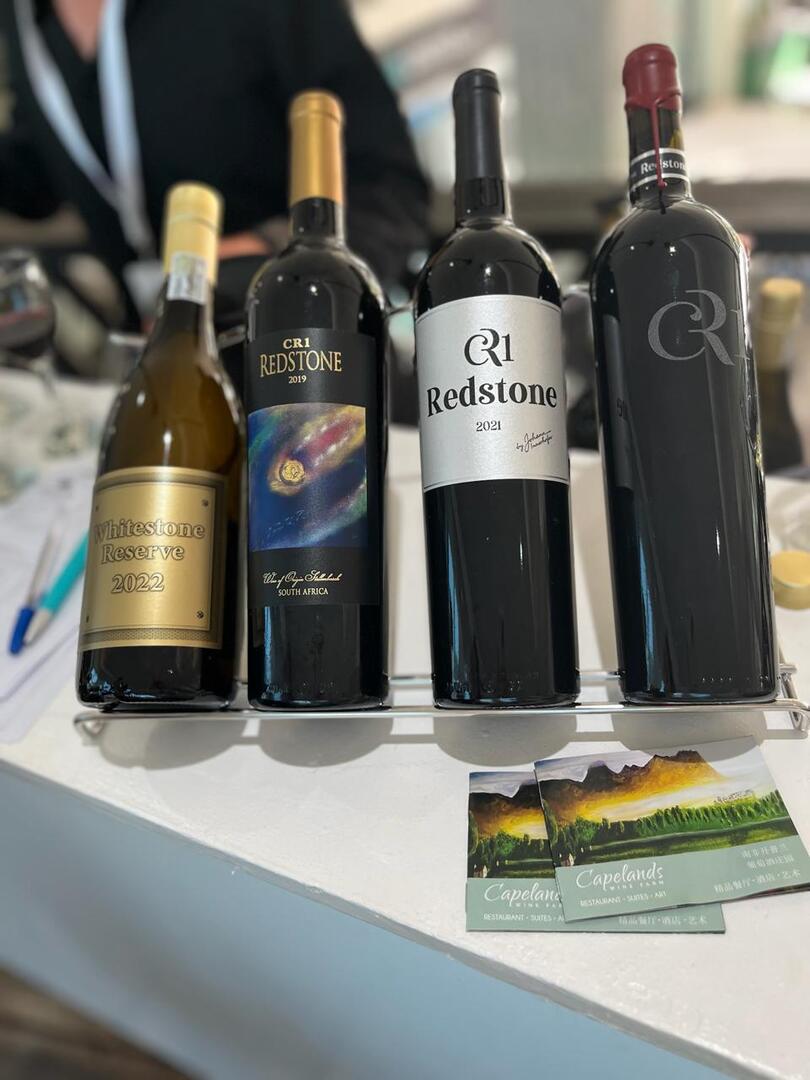
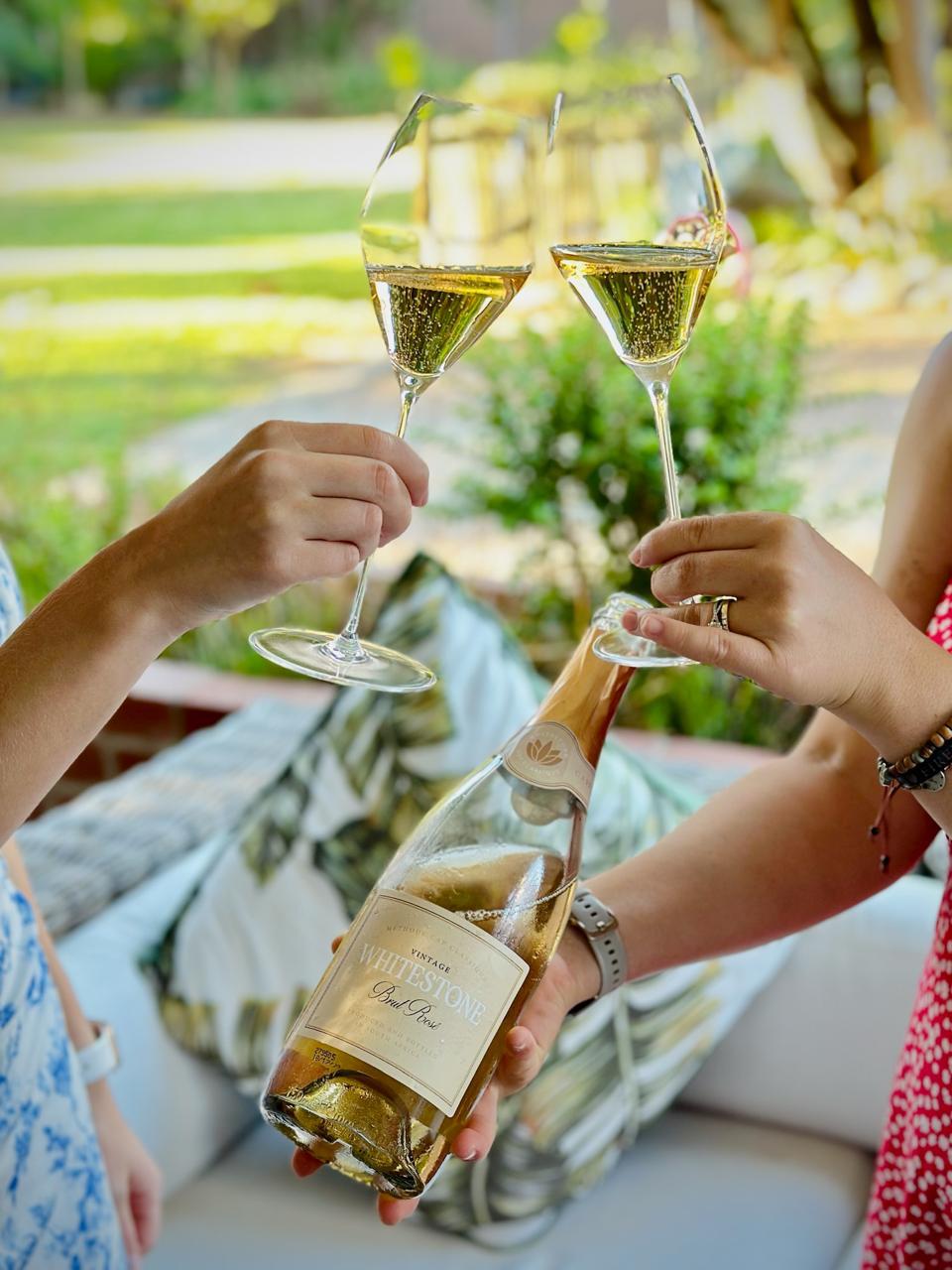
Whether you rang in the new year with Whitestone Brut in a Tulip-shaped Riedel glass or paired a bold Capelands Redstone with your prosperity feast, we’re here to ensure your 2026 traditions are as sophisticated as they are lucky.
Contact us to ensure your glass—and your year—is perfectly poured.

 Events & Functions, General News